



Automation has moved past experimentation. It now runs revenue workflows, customer operations, finance processes, and internal systems. As automation expands, the real risk is no longer tool selection. It is poor ownership.
Companies that struggle with automation rarely lack Zapier accounts, Make scenarios, or RPA licenses. They lack automation managers who can design systems, maintain logic, manage exceptions, and ensure automation actually compounds over time.
This is why more businesses are choosing to hire automation managers overseas. Certain regions consistently produce automation leaders who understand workflow automation, business process automation, and system reliability at an operational level.
This guide breaks down the top countries to hire automation managers and explains where each location fits best based on real-world automation demands.
Why An Automation Manager Is Now a Critical Role
Automation tools execute tasks, but automation managers own outcomes.
A modern automation manager sits at the intersection of operations, systems, and decision-making. Their responsibility is not just building flows but keeping automation stable, scalable, and aligned with business goals.
What Automation Managers Actually Do
Automation managers are responsible for:
- Designing end-to-end workflow automation across teams
- Managing business process automation logic and dependencies
- Overseeing RPA deployments for finance, ops, and compliance
- Maintaining Zapier and Make automation reliability
- Managing CRM automation across sales, support, and success
- Owning API integrations between internal and third-party systems
- Handling exception workflows and human-in-the-loop processes
This role requires systems thinking, documentation discipline, and the ability to translate business intent into automation logic.
Not every country produces this profile equally.
For operators trying to turn workflows into durable systems, this article shows how overseas teams actually run AI and automation in production—beyond tools and into ownership.
Leading Countries for Automation Manager Talent
Automation manager talent is not evenly distributed globally. Some countries consistently produce automation leaders who can own production systems, manage operational risk, and keep workflows stable as scale increases. Others produce strong builders but lack long-term ownership depth.
Cost differences are real, but salary alone is not the deciding factor. What matters is what the automation manager owns, how complex the systems are, and whether the role is operational, technical, or architectural.
Below are the leading countries for automation manager talent, including actual cost ranges, what drives them, and a US benchmark for contrast.
United States: Cost Benchmark for Automation Management Roles
In the US, automation managers are typically hired as senior operations, RevOps, or systems leaders. These roles often blend automation ownership with cross-functional leadership.
Actual Cost in the United States
- Mid-level automation manager: $8,500–$11,000/month
- Senior automation manager: $11,500–$15,000+/month
Costs are influenced by:
- High competition for automation and RevOps talent
- Expectation of cross-team leadership and strategic input
- Equity, benefits, payroll tax, and compliance overhead
- Concentration in high-cost tech hubs
US-based automation managers are effective for strategy and early system design, but they are rarely cost-efficient for long-term automation ownership across multiple workflows.
Philippines: Operations-First Automation Ownership
The Philippines has become one of the most dependable sources of automation manager talent for companies running complex, operations-heavy workflows.
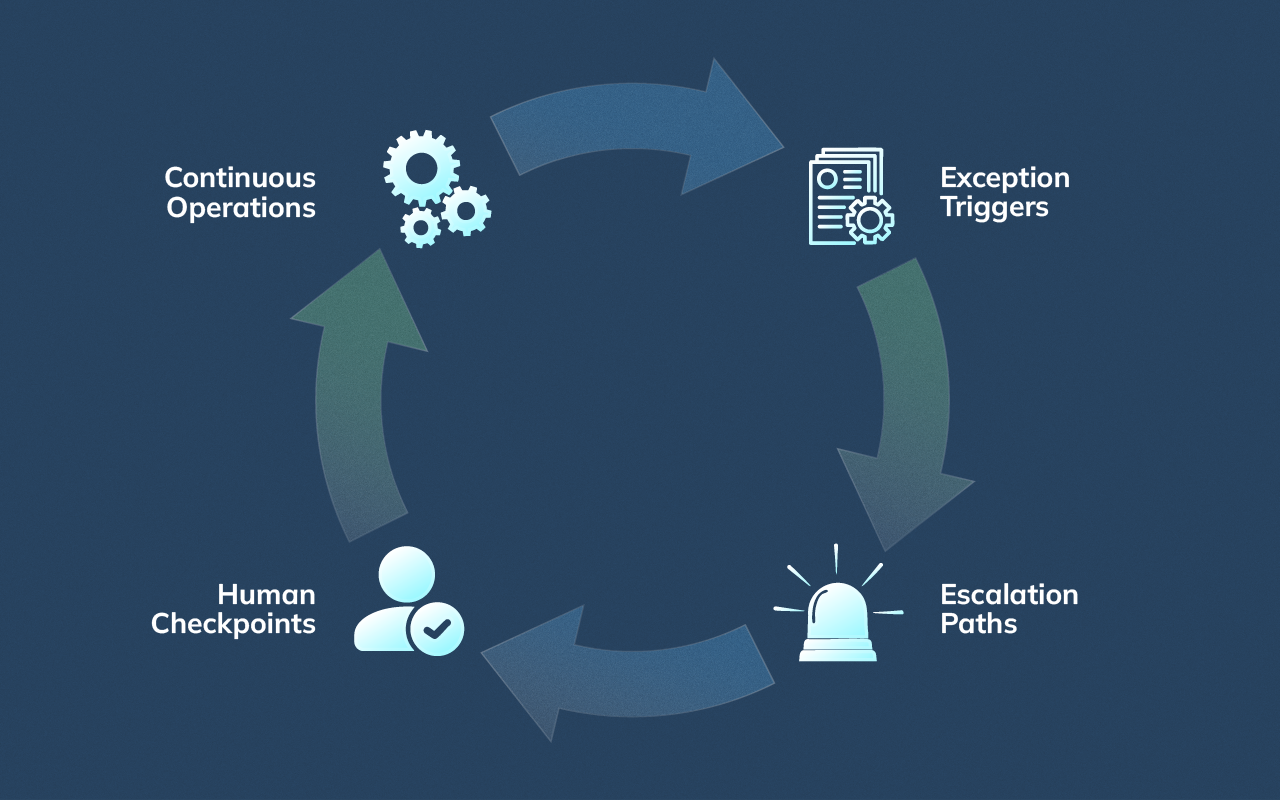
Automation managers here are shaped by environments where workflows run continuously across time zones, departments, and systems. This produces leaders who prioritize reliability, documentation, and exception handling over rapid experimentation.
Why the Philippines Produces Strong Automation Managers
- Deep experience managing workflow automation across ops, finance, and CX
- Strong command of Zapier automation and Make (Integromat) automation in production
- Hands-on ownership of CRM automation tied to revenue and retention
- Comfort managing failure states, escalations, and human-in-the-loop logic
- Clear English communication for cross-functional coordination
Actual Cost in the Philippines
- Mid-level automation manager: $2,500–$3,500/month
- Senior automation manager: $3,500–$5,000/month
Cost is influenced by:
- Number of systems owned (single workflow vs multi-department automation)
- Ongoing optimization and governance responsibilities
- Experience managing live, high-volume automations
- Exposure to regulated or compliance-heavy workflows
Even at the senior level, Philippines-based automation managers typically cost 50–65% less than US-based equivalents while offering stronger operational ownership.
Best Use Cases for Hiring in the Philippines
- Business process automation across operations and finance
- Customer support automation with escalation and exception handling
- CRM automation tied directly to revenue and lifecycle metrics
- Long-term automation ownership, not project-based builds
- Automation environments requiring documentation and governance
If your automation runs core ops or revenue workflows, this breakdown shows how companies hire and structure remote AI operations teams in the Philippines for long-term ownership, not one-off builds.
For teams running Zapier, Make, and CRM automation daily, this guide explains how AI workflow operators in the Philippines manage exceptions, handoffs, and system reliability at scale.
India: Technically Dense and RPA-Driven Automation Leadership
India remains a strong contributor to the global automation talent market, especially for technically complex environments.
Automation managers often come from engineering or IT backgrounds, making them effective in system-heavy automation programs.
Where India Excels
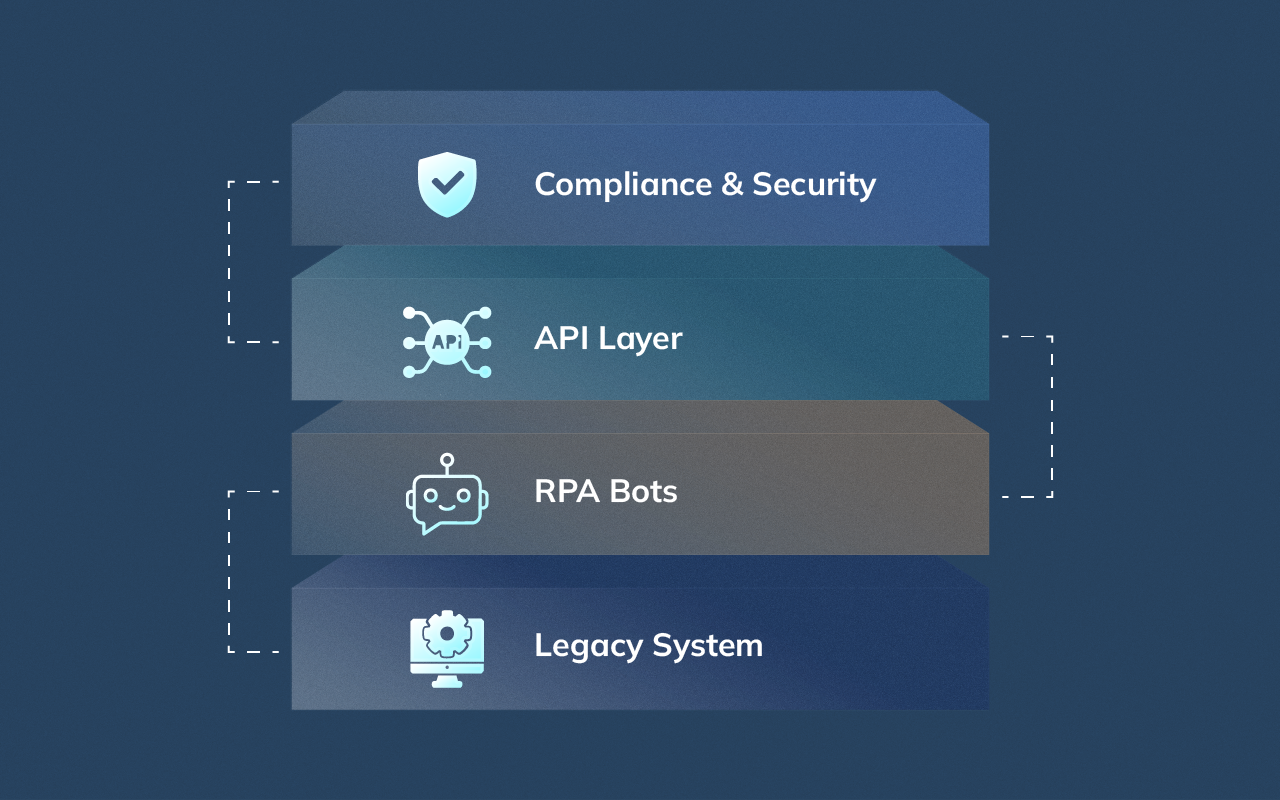
- RPA (robotic process automation) using UiPath or Automation Anywhere
- API-heavy automation connecting internal systems
- Automation tied to legacy platforms and enterprise tooling
- Large-scale automation governance initiatives
Actual Cost in India
- Mid-level automation manager: $3,000–$4,500/month
- Senior RPA-focused automation manager: $5,000–$7,000/month
Cost is influenced by:
- Depth of RPA specialization
- Enterprise and legacy system exposure
- Engineering integration requirements
- Compliance and security experience
India offers strong value at the mid-level, but senior RPA leaders with enterprise exposure often approach global market rates.
Best Use Cases for Hiring in India
- RPA-heavy automation programs
- Backend and system-level automation
- Enterprise and legacy-system modernization
- Compliance-driven automation environments
- Engineering-integrated automation ownership
Eastern Europe: Automation Architecture and System Design Excellence
Eastern Europe has emerged as a premium region for automation manager talent in product-led and platform-driven companies.
Automation managers here are often involved early in system design, resulting in strong architectural judgment and scalable automation frameworks.
Strengths of Eastern European Automation Managers
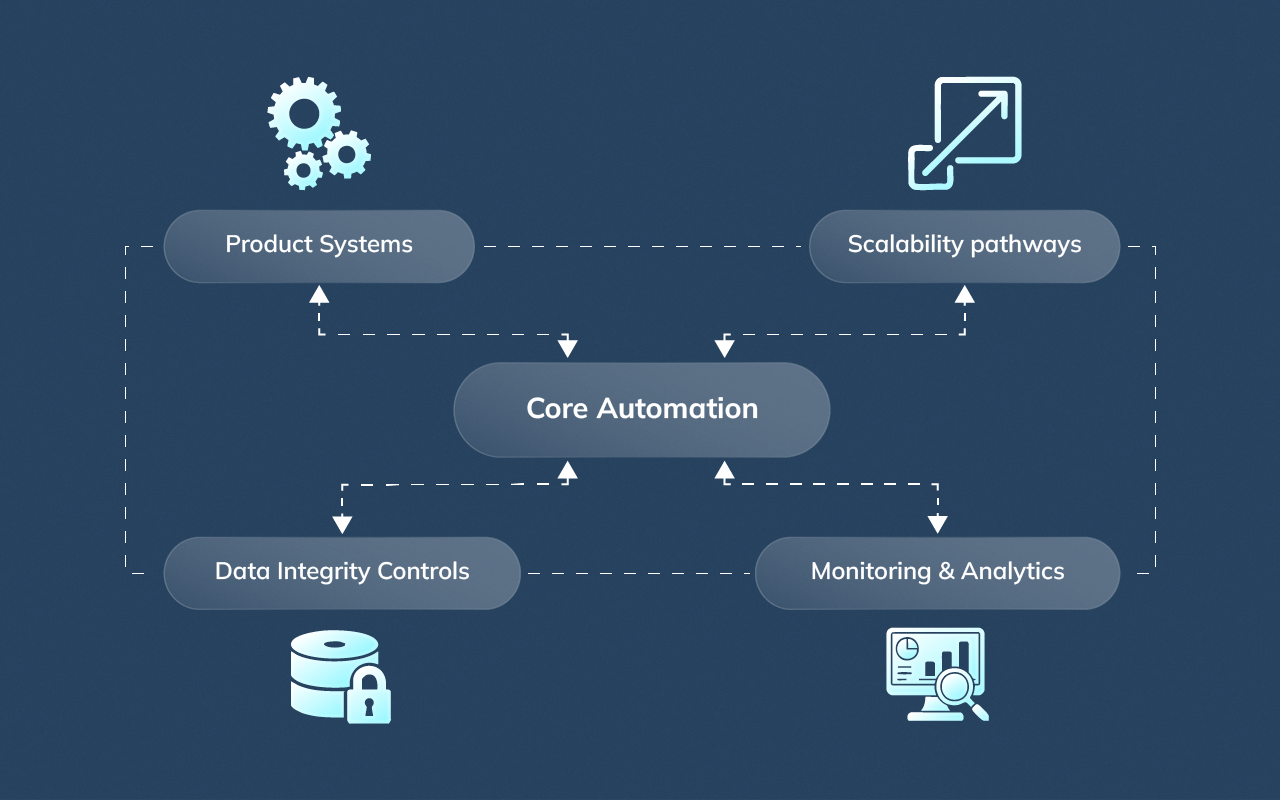
- Automation architecture and long-term system design
- API-first automation frameworks across platforms
- Cross-platform orchestration with high data integrity
- Data-driven performance optimization
Actual Cost in Eastern Europe
- Mid-level automation manager: $4,500–$6,000/month
- Senior automation architect or manager: $6,500–$8,500+/month
Cost is influenced by:
- Strong engineering education pipelines
- EU market demand and regulatory exposure
- Involvement in core product infrastructure
- Competition from VC-backed SaaS companies
This market is chosen for strategic depth, not cost savings.
Best Use Cases for Hiring in Eastern Europe
- SaaS and platform companies
- Product-led growth environments
- Automation tied to engineering roadmaps
- High-complexity system orchestration
- Automation requiring architectural oversight
Latin America: Collaboration-Driven Automation Management
Latin America is a strong option for companies that need automation managers who can collaborate closely with North American teams.
Time-zone alignment and growing automation maturity drive demand in this region.
Why Latin America Works Well
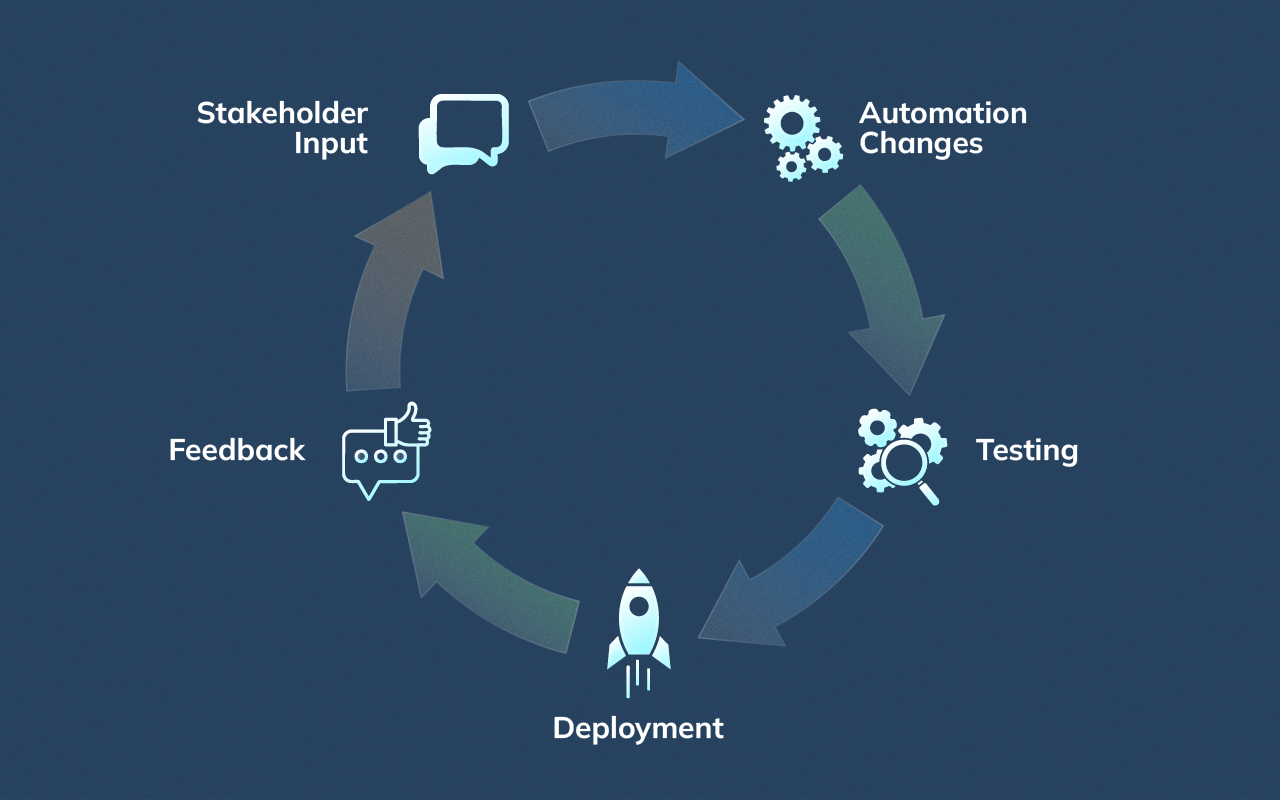
- Near real-time collaboration with US-based stakeholders
- Strong experience in marketing automation and CRM automation
- Growing proficiency in no-code and low-code tools
- High adaptability in fast-moving environments
Actual Cost in Latin America
- Mid-level automation manager: $3,500–$5,000/month
- Senior automation manager: $5,500–$7,500/month
Cost is influenced by:
- Country maturity (Mexico and Brazil trend higher)
- Time-zone alignment premiums
- Revenue-critical automation ownership
- Demand from US startups and agencies
Latin America is often selected for speed and collaboration rather than lowest cost.
Best Use Cases for Hiring in Latin America
- Marketing automation ownership
- Sales operations and CRM automation
- Growth-stage companies needing rapid iteration
- Automation requiring frequent stakeholder alignment
- Collaboration-heavy automation initiatives
How to Interpret Cost Correctly
The cheapest automation manager is rarely the most cost-effective.
Automation costs compound through:
- Workflow downtime
- Poor exception handling
- Fragile integrations
- Lack of documentation and ownership
The right market is the one that matches the risk, scale, and maturity of your automation systems.
How to Choose the Right Country for Your Automation Manager
Choosing where to hire automation managers overseas should be based on system responsibility and risk, not salary alone. Automation managers own infrastructure. When they fail, workflows break, revenue stalls, and teams lose trust in automation entirely.
The right location depends on how complex your automation is, how business-critical it has become, and how much ownership the role requires.
Match Location to Automation Complexity
Choose the Philippines if you need:
- Long-term automation ownership across multiple departments
- Business process automation that runs continuously with minimal downtime
- Stable, ops-first automation management with strong documentation
- Managers who handle exceptions, escalations, and human-in-the-loop logic
This is the best fit when automation supports daily operations, finance, or customer experience and must remain reliable at scale.
Choose India if you need:
- RPA-heavy automation using platforms like UiPath or Automation Anywhere
- Engineering-integrated system control tied to backend infrastructure
- Automation layered onto legacy systems or enterprise software
India is best when automation complexity is technical rather than operational and when close alignment with engineering teams is required.
Choose Eastern Europe if you need:
- Automation architecture leadership at the system or platform level
- Product-centric automation embedded into core software
- Strategic design of automation frameworks that scale with growth
This region fits best when automation is part of your product roadmap, not just an operational support layer.
Choose Latin America if you need:
- Fast, real-time collaboration with US-based teams
- Marketing, sales, and revenue-focused automation
- Rapid iteration and frequent stakeholder input
Latin America works well when automation changes often and requires tight feedback loops rather than long-term governance.
Why This Decision Matters
The more business-critical and persistent your automation is, the more you should prioritize ownership and operational maturity over speed or proximity.
The more experimental or collaborative your automation is, the more time-zone alignment and iteration speed matter.
Choosing the right country early prevents fragile systems later and ensures automation compounds instead of constantly needing repair.
Automation Manager Country Comparison Matrix
Once automation becomes business-critical, this explains how companies move from hiring individuals to building AI-powered operations teams in the Philippines that own systems end to end.
The Right Automation Manager Determines Whether Systems Compound or Break
Automation does not fail because of tools. It fails because ownership is unclear, fragmented, or placed in the wrong environment.
As automation becomes embedded into revenue, finance, and customer operations, the cost of getting this decision wrong increases quietly but steadily. Workflows degrade. Exceptions pile up. Teams revert to manual fixes. What was meant to create leverage becomes another system to manage.
The companies that scale automation successfully make one deliberate choice early: they design ownership before they scale tooling. They hire automation managers who can own systems end to end, manage risk, and keep automation aligned with how the business actually operates.
Choosing the right country is part of that design. Not to minimize cost, but to match automation responsibility with the environment that supports it best.
If your automation is business-critical, this decision deserves more than a job post.
Book a demo with Hire Overseas to explore how leading companies hire, place, and embed automation managers across proven global markets, with ownership models built for long-term stability and scale.
