


What Stood Out Early On
First Impressions From the Outside
When I first came across Hire Overseas, it didn’t immediately stand out. While applying, I did what most people do. I searched for the company online, skimmed what I could find, and assumed it was another overseas hiring agency operating in the remote hiring and offshore staffing space.
There wasn’t much information available at the time, which reinforced that impression. I later learned during onboarding that the company was still fairly new, which explained the limited online footprint.
What Became Clear After Getting Hired
After I got hired, here’s what I noticed.
Almost immediately, it became clear that Hire Overseas wasn’t built around speed or volume. It was built around fit and longevity. Roles weren’t rushed. Expectations were questioned before candidates were introduced. In some cases, clients were encouraged to pause, rethink, or even reshape what they were trying to hire for before moving forward.
Fit and Longevity Over Fast Placements
That kind of restraint can feel counterintuitive in global hiring, especially in an industry where fast placements are often the main selling point. From what I observed, it was intentional. Hire Overseas seemed far more interested in whether a role would still make sense months down the line than whether it could be filled quickly.
How Hiring Decisions Are Actually Made
One of the next things I noticed was how much time is spent before a role is ever filled.
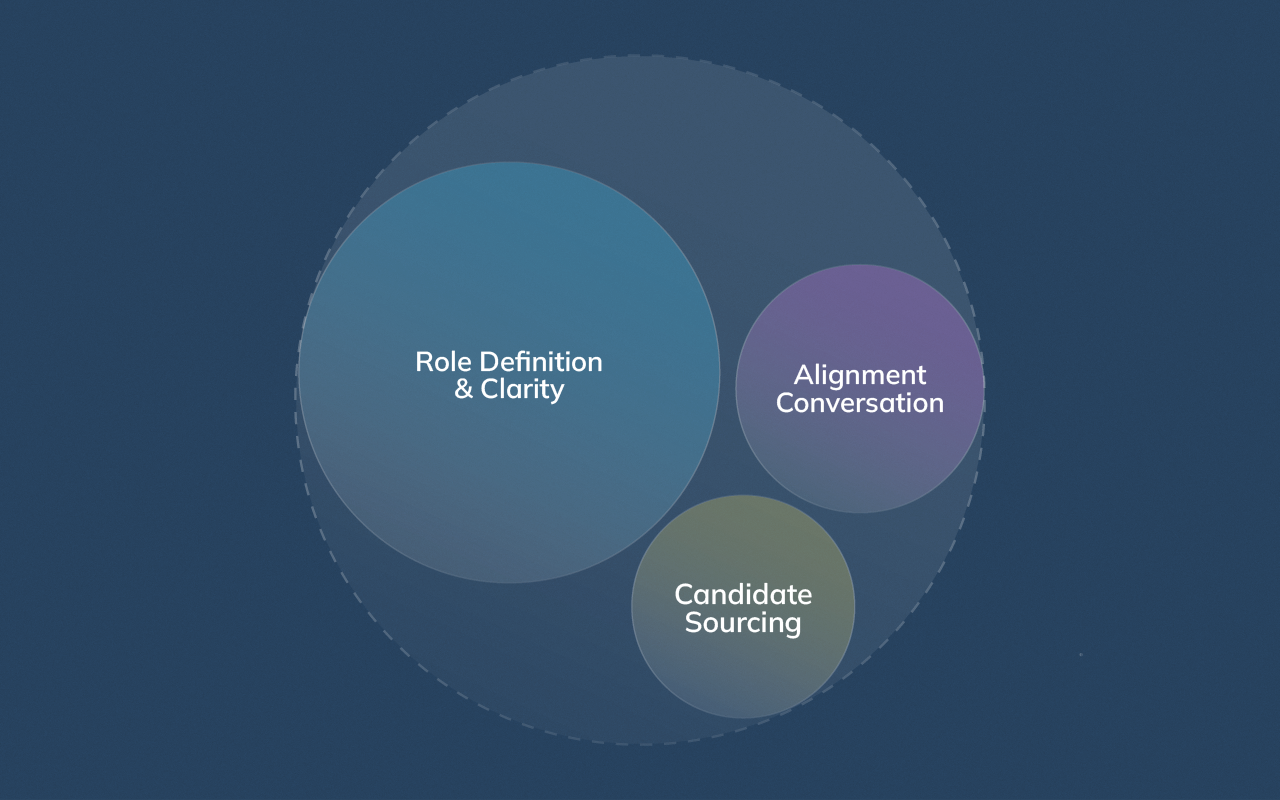
At Hire Overseas, hiring doesn’t start with sourcing. It starts with questioning the role itself. There’s a real effort to understand what a client actually needs versus what they think they need in the moment. That often means slowing conversations down, clarifying expectations, and sometimes pointing out when a role is doing too much or isn’t clearly defined yet.
This shows up most clearly in the Hire Overseas hiring process. Job titles aren’t taken at face value. A “virtual assistant” might turn out to be an operations role. A “contractor” role might quietly be drifting toward employee-level expectations. Those things get discussed early, not after someone is already working and frustrated.
Working With the Founders: What I’ve Come to Notice
Their Involvement in Day-to-Day Decisions
Over time, I started to notice how involved the founders are in the actual work.
From what I’ve observed, they’re often present in vetting conversations, involved in hiring decisions, and genuinely attentive to how talent performs once placed. It feels less like oversight and more like active interest. I’ve noticed they tend to remember people, not just roles or accounts, and that shows up in small, practical interactions rather than big gestures.
Confidence Built Through Vetting
What stood out to me most was the level of confidence they place in the talent they work with.
I think that confidence comes from how closely they’re involved in the vetting process. Because they’ve seen the work firsthand, asked the right questions, and challenged assumptions early, they seem comfortable trusting the people they place. Once that trust is given, it feels consistent rather than conditional.
How That Trust Shows Up in Practice
From my experience, contractors aren’t micromanaged. They’re given space to do meaningful work, and when something feels unclear or off, there’s usually support at the ground level rather than silence or deflection.
I’ve also noticed that when a placement doesn’t work out, which does happen sometimes, it doesn’t appear to change how other contractors are treated. One mismatch doesn’t seem to lead to guardedness or a loss of confidence in future hires. That consistency is something I’ve come to respect.
How the Core Organization Is Structured
One thing I’ve come to notice is how deliberately the core organization is set up.
From my perspective, the company hasn’t grown by accident. Over the past six months, I’ve seen the core team grow from just over ten people to more than twenty, and what stood out wasn’t just the growth itself, but how fast it happened. That gave me the sense that the structure was designed with scale in mind.
As I spent more time working within this structure, I started to notice how people approached their roles. I remember Philip mentioning that he wants people to genuinely enjoy what they do, and from what I’ve observed, that mindset seems to lead to people contributing beyond strict role boundaries. The result is often more thoughtful output, without anyone feeling pushed to overdeliver.
Operations: The Backbone of Day-to-Day Stability
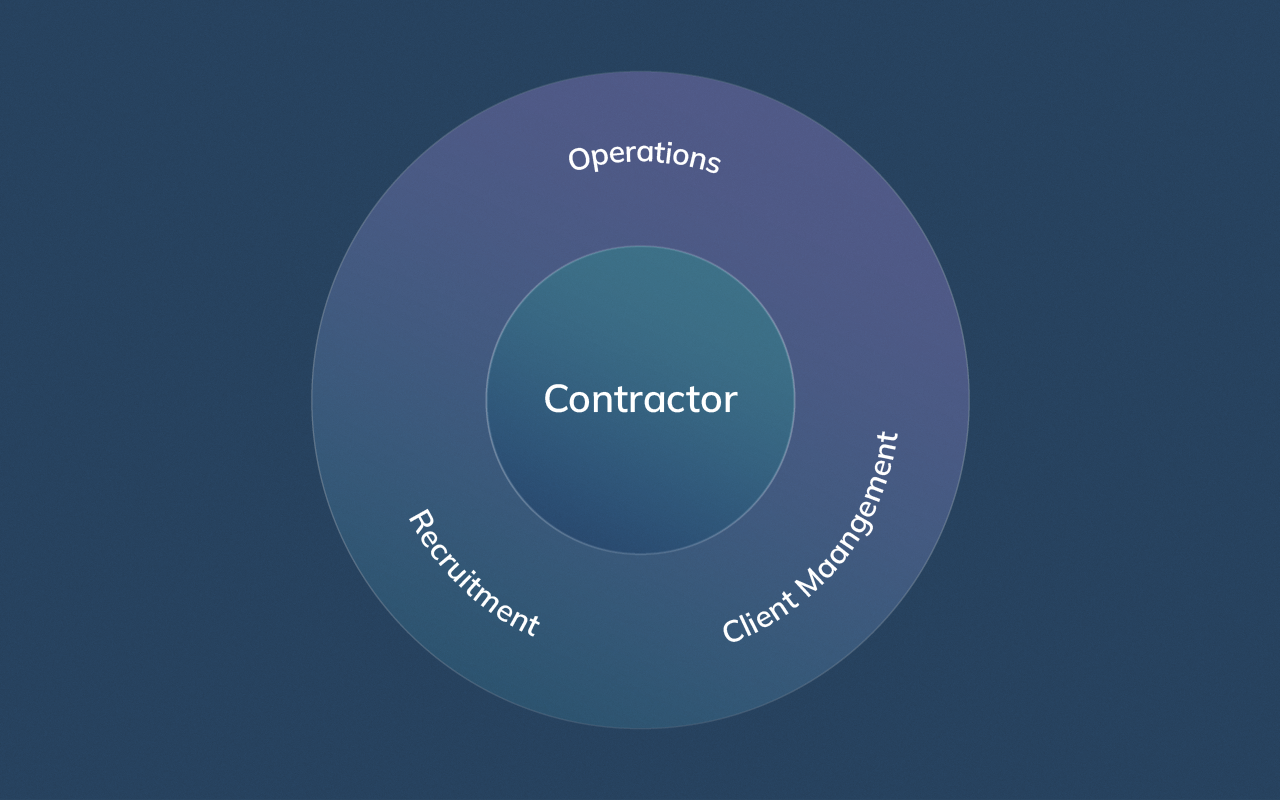
From what I’ve observed, the operations team acts as the backbone of the company. They manage contractors day to day, keep expectations aligned, and surface issues early before they turn into bigger problems. A lot of the stability people experience seems to come from this layer quietly doing its job well.
Client Management: The Bridge Between Teams
The client management team functions as a true bridge rather than a buffer. From my observation, they help translate expectations in both directions, which reduces friction and keeps working relationships steady over time.
Recruitment: The Talent Sourcing Engine
Recruitment is the engine that feeds everything else. There’s a clear emphasis on judgment, communication, and reliability, not just resumes. From what I’ve seen, that early filtering explains why there’s so much trust in the talent once people are placed.
Growth: How the Company Shows Up Externally
The growth team focuses on web design, graphics, SEO, and AEO. From my experience, the work feels collaborative rather than siloed, with each role contributing something distinct but equally important. There’s a shared willingness to help, clear goals, and a sense that the best outcomes come from working together.
Why People Tend to Stay
Over time, a pattern becomes noticeable. Contractors working with Hire Overseas tend to stay longer than expected. From my experience, there are a few reasons for that. The way the work is structured plays a big role, and benefits and compensation are also solid reasons people choose to stay.
Trust Over Time Tracking
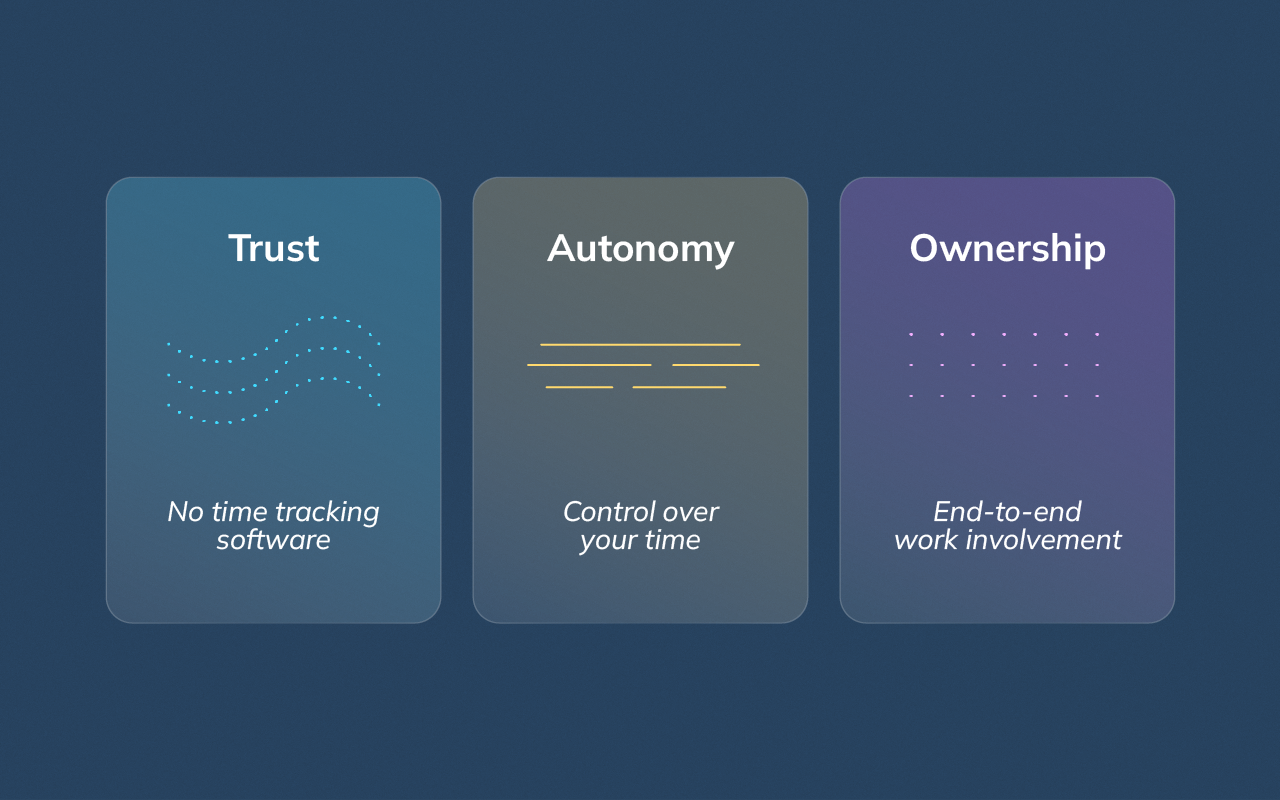
One of the first things people notice is the absence of time tracking. There’s no software monitoring hours or activity. What matters is whether real outcomes are being delivered. From what I’ve observed, that level of trust changes how people show up to their work.
Full Ownership of Your Time
Because there’s no time tracking, contractors are fully in charge of how they manage their time. That autonomy encourages people to build their own systems, strategies, and rhythms. For those coming from traditional corporate environments, this can be a learning curve. Instead of waiting for tasks to be assigned, you’re expected to think ahead and take initiative.
Communication Becomes Critical
With autonomy comes responsibility. Since no one is watching the clock, communication becomes especially important. Clear updates, proactive alignment, and transparency help keep everything moving smoothly. From what I’ve seen, strong communication is often what determines whether someone thrives in this setup.
Results Feel More Rewarding
Another thing I’ve noticed is that outcomes tend to feel more meaningful. Contractors are often involved end to end, from shaping how work is approached to seeing results land. When something works, there’s a clearer sense of ownership because the result reflects decisions you made, not just tasks you completed.
Direct Access to Founders and Decision-Makers
Contractors often work directly with startup founders, CEOs, and decision-makers. These tend to be open-minded, hands-on leaders who prefer direct conversations over layers of management. That exposure alone can be a growth experience and a big reason people stay engaged.
Not for Everyone, and That’s Okay
It’s also worth acknowledging that this environment isn’t for everyone. The level of autonomy can be challenging and requires resourcefulness, creativity, and comfort with ambiguity. For people who prefer tightly defined roles or constant guidance, this model may feel uncomfortable.
For those who adapt well, though, that same autonomy is often the reason they choose to stay.
Where Hire Overseas Fits Best
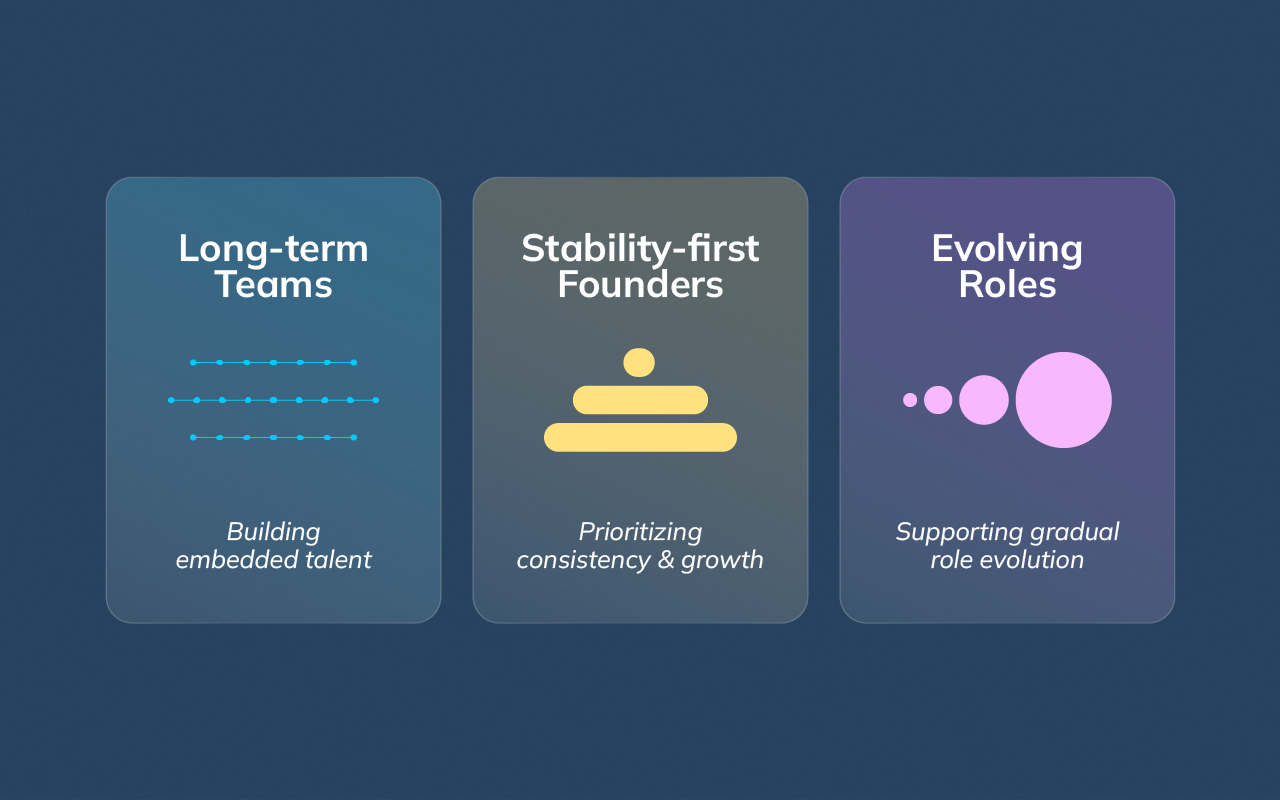
From my perspective working inside the company, certain patterns show up in the types of clients who get the most value from Hire Overseas.
Long-Term Remote Teams Over Short-Term Fixes
Looking at the clients we work with and how those relationships evolve, Hire Overseas fits best when US companies are intentionally building long-term remote teams. These are usually founders moving away from freelancers toward more embedded talent that becomes part of their day-to-day operations.
Stability Over Speed
From what I’ve observed, the clients who succeed here tend to prioritize stability over speed. They’re less focused on filling a role immediately and more concerned with whether the hire will still make sense months down the line. That mindset aligns well with how Hire Overseas approaches hiring.
Building a Durable Global Workforce
Many of the clients we work with are aiming to build a global workforce that compounds over time. From the inside, it’s clear that the company is designed to support thoughtful, long-term team building rather than quick, transactional placements.
Where It’s Less Effective
Hire Overseas tends to be less effective for one-off tasks, purely transactional hiring, or ultra-short-term needs. Those use cases don’t align well with the level of structure and involvement built into the process.
A Deliberate Design Choice
From my point of view, this isn’t a weakness. It feels like a deliberate design choice. Hire Overseas is built for clients who value alignment and longevity over immediate convenience, and when that match exists, the outcomes tend to be stronger for everyone involved.
An Honest Note About Where Hire Overseas Is Today
It’s worth being transparent about where Hire Overseas is in its journey.
A Young Company, Still Growing
From my perspective working inside the company, Hire Overseas is still a young startup. A lot has been built in a short amount of time, and there’s still a lot being shaped. Processes are evolving, systems are being refined, and not everything is fully polished yet. That’s simply part of building something early.
What This Means for Clients
For clients, this often translates into a more hands-on experience. You’re working with a team that’s actively improving how it operates rather than relying on rigid, legacy processes. From what I’ve observed, this can be a real advantage for founders who value flexibility, open communication, and the ability to adapt as their needs change.
What This Means for Contractors
For contractors, being part of a young company comes with both responsibility and opportunity. There’s room to influence how things are done, but it also requires comfort with ambiguity and change. From my experience, this environment tends to suit people who enjoy ownership and growth more than strict predictability.
Why I’m Confident About What Comes Next
That said, here’s what I’m confident about. From the inside, it’s clear that Hire Overseas isn’t reacting blindly to trends. The company has been intentional about building for where global hiring is headed, with a focus on trust, long-term teams, and thoughtful structure.
Hire Overseas is still early, but from where I sit, it’s well positioned to surf what’s coming next.
Built for Scalable, Long-Term Global Hiring
From what I’ve observed working inside Hire Overseas, the company is clearly designed with scale and longevity in mind. Decisions around hiring, structure, and day-to-day operations consistently point toward building teams that hold up over time rather than optimizing for quick wins.
Hire Overseas is still a young company, but the foundations are already in place. The emphasis on trust, clear ownership, and thoughtful role design shows up in how clients are supported and how contractors are treated. That consistency matters when you’re building remote teams meant to grow and evolve, not reset every few months.
For founders and operators thinking seriously about global hiring, understanding how a company operates beneath the surface is often more important than what’s promised upfront. From the inside, Hire Overseas feels built for companies that want global hiring to scale responsibly and sustainably.
If you’d like to see whether this approach fits your hiring goals, you can speak directly with our founders — book a demo today.
