



Offshore SEO services are no longer about delegating tasks. They are about building a search growth engine that compounds month after month without inflating internal headcount.
Most businesses already understand why SEO outsourcing works. The harder question is how to scale search performance once execution is offshore. That is where many teams stall. They hire vendors but never unlock leverage.
This guide focuses on strategy, structure, and operating discipline. It explains how the best companies use offshore SEO services to scale search growth deliberately, predictably, and without losing control.
Offshore SEO Is a Scaling Decision, Not a Staffing Decision
Offshore SEO only delivers real growth when it is designed to scale outcomes, not just reduce workload. Companies that treat offshore SEO as a headcount substitute often see activity increase but results plateau. Search growth depends on how work is structured, prioritized, and fed back into strategy. That is why offshore SEO must be approached as a scaling decision tied directly to performance, not as a staffing shortcut.
Why the Labor-Arbitrage Mindset Breaks SEO Growth
The biggest mistake companies make with offshore SEO is treating it like labor arbitrage. They outsource execution but keep strategy fragmented and expectations vague.
Top-performing companies do the opposite. They treat offshore SEO as an operating layer inside their growth system.
When offshore SEO works at scale, three things are true:
- Strategy stays centralized
- Execution becomes modular
- Feedback loops stay tight
The partner is not just delivering service SEO tasks. They are running a repeatable system.
Why Offshore SEO Services Accelerate Compounding Growth
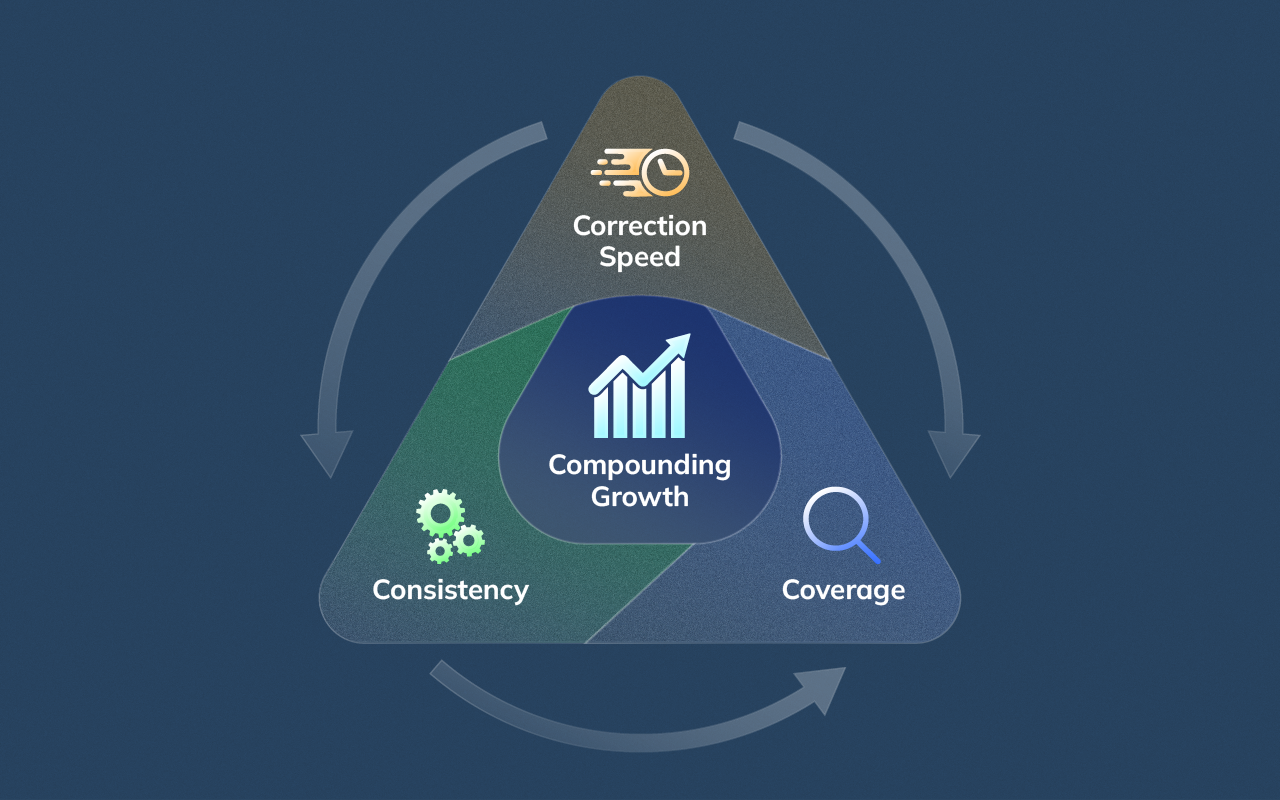
Search growth compounds when execution is designed to reinforce itself over time. Offshore SEO services create leverage not by doing more work, but by sustaining the conditions that allow rankings, authority, and coverage to build predictably. When execution volume, consistency, and response speed align, SEO stops behaving like a series of campaigns and starts functioning like an asset.
Coverage: Expanding the Search Surface Area
Offshore SEO teams enable companies to:
- Target long-tail keyword clusters at volume
- Optimize hundreds or thousands of URLs consistently
- Maintain technical hygiene across large sites
This expanded surface area increases the number of entry points into search. It allows companies to capture demand across more queries and use cases, which is difficult to sustain with small internal teams constrained by time and capacity.
Consistency: The Most Underrated SEO Advantage
Search rewards steady execution. Offshore SEO agencies excel here because they operate inside process-driven environments built for repeatability.
That consistency shows up as:
- Regular content updates
- Continuous internal linking improvements
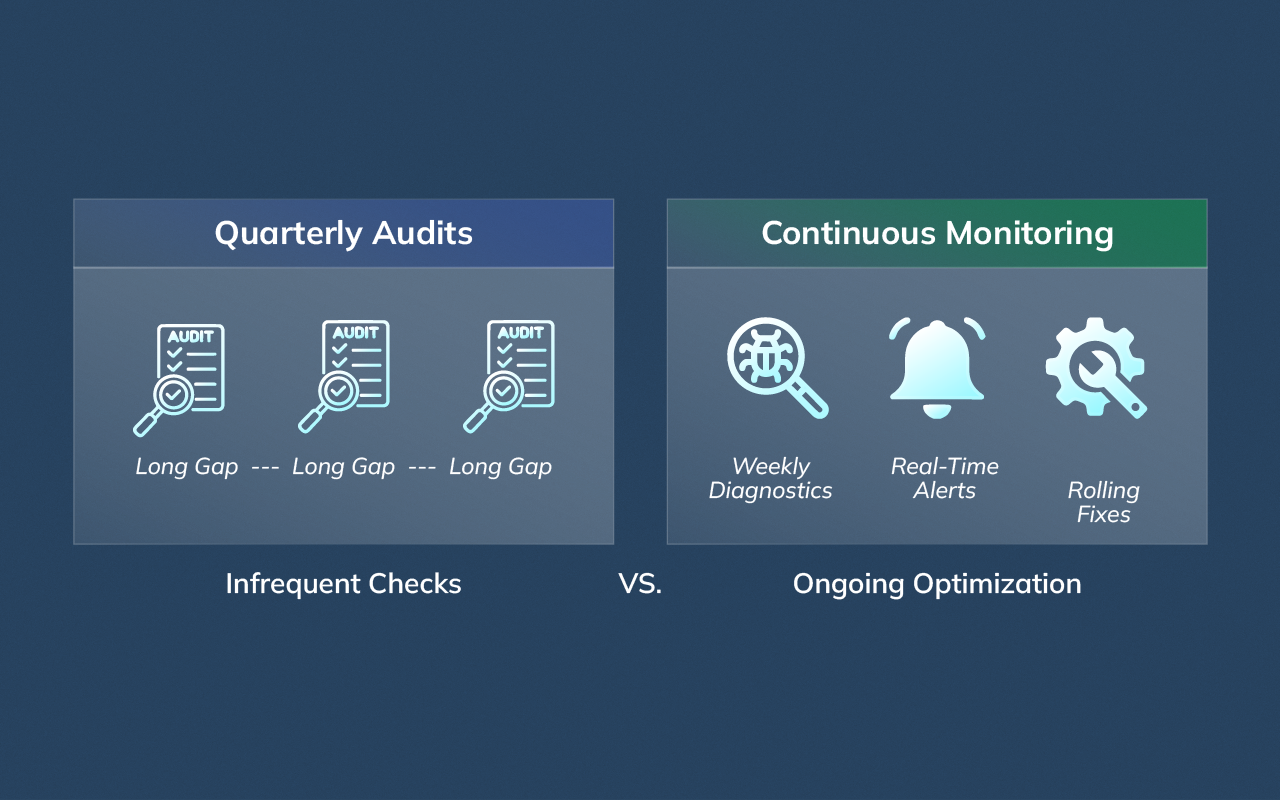
- Ongoing technical fixes instead of quarterly cleanups
Over time, consistent improvement outperforms sporadic bursts of effort because it aligns with how search engines evaluate trust, relevance, and site quality.
Correction Speed: Fixing What the Data Reveals
Data-driven offshore SEO strategies rely on fast feedback loops. The faster a team can detect and respond to performance changes, the less damage compounds.
When rankings dip or traffic stalls, offshore teams can:
- Isolate causes quickly
- Test adjustments across pages
- Roll improvements without delay
Speed of correction matters more than perfection because early adjustments prevent small issues from turning into long-term declines.
For founders evaluating whether to build internally or partner externally, this breakdown of how companies outsource SEO services without losing strategic control explains the engagement models, ownership tradeoffs, and scale limits most teams miss.
Core Offshore SEO Services That Enable Scale
Offshore SEO only scales when core services are designed for durability, not short-term wins. At higher levels of traffic and page volume, small technical issues compound, content decays quietly, and link risk increases if not actively managed. The role of offshore SEO services at this stage is to turn core SEO functions into systems that run continuously, adapt to data, and protect long-term performance.
This is where execution quality becomes inseparable from operating structure. Without clear ownership and prioritization, even strong services fail to compound.
Technical SEO as an Always-On System
At scale, technical SEO cannot be treated as a one-time audit. Offshore SEO services turn it into continuous maintenance that runs alongside daily operations.
This includes:
- Weekly crawl diagnostics to surface errors before they impact visibility
- Indexation anomaly detection to catch deindexed or underperforming pages early
- Core Web Vitals trend monitoring to prevent slow erosion from performance issues
- Template-level fixes across CMSs to resolve problems at scale instead of page by page
This approach prevents silent technical decay that gradually erodes rankings, traffic, and crawl efficiency without obvious warning signs.
To work at scale, this kind of monitoring must be owned, scheduled, and prioritized consistently. That requires more than tools. It requires a defined execution system.
Content SEO Focused on Lifecycle, Not Creation
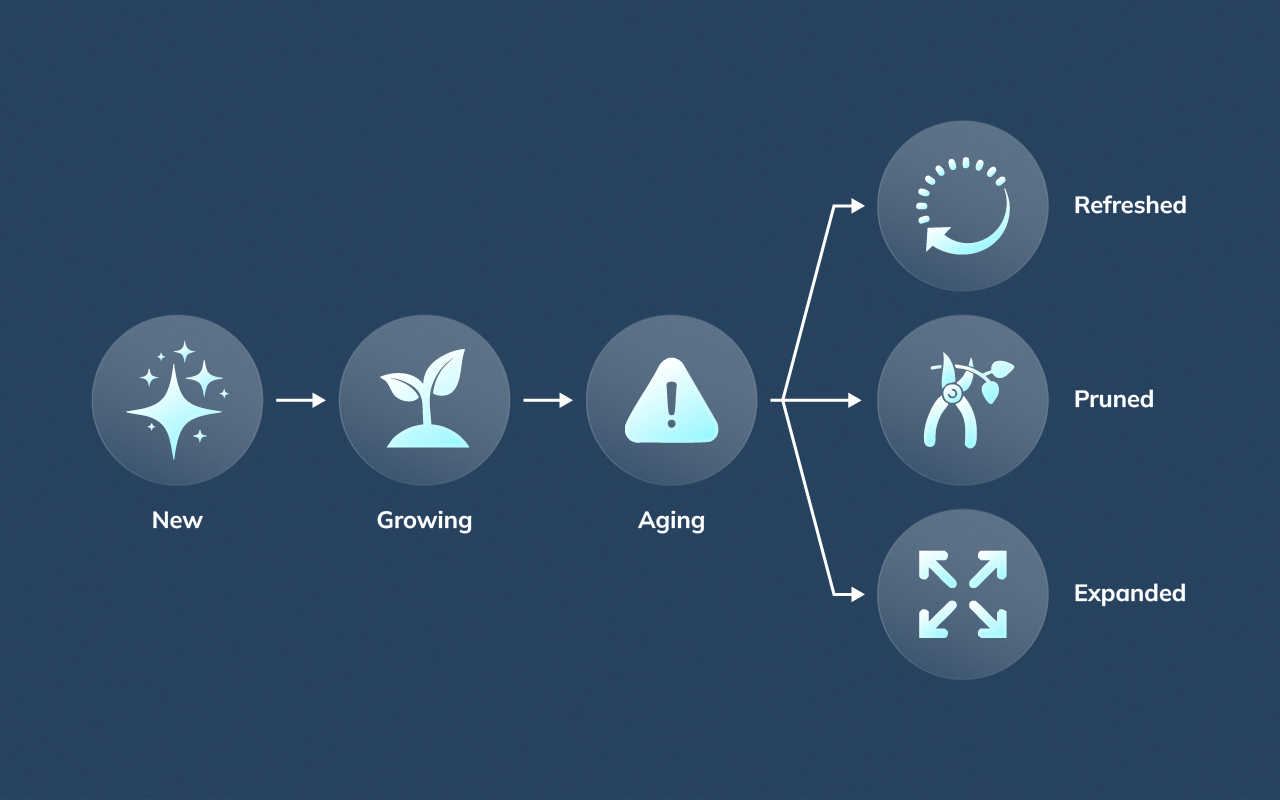
The best offshore SEO and digital marketing services do not treat content as a publishing pipeline. They treat it as an asset portfolio that must be maintained, expanded, and refined over time.
That means:
- Refreshing aging pages before rankings decline or competitors overtake them
- Expanding content based on Search Console data, not assumptions
- Pruning or consolidating low-value URLs that dilute topical authority
SEO growth at scale often comes from improving what already exists rather than endlessly creating new pages.
Lifecycle management only works when teams know what to optimize first, what to leave alone, and how decisions tie back to business goals. This is where founders must define structure before volume.
Link Building as Risk Management
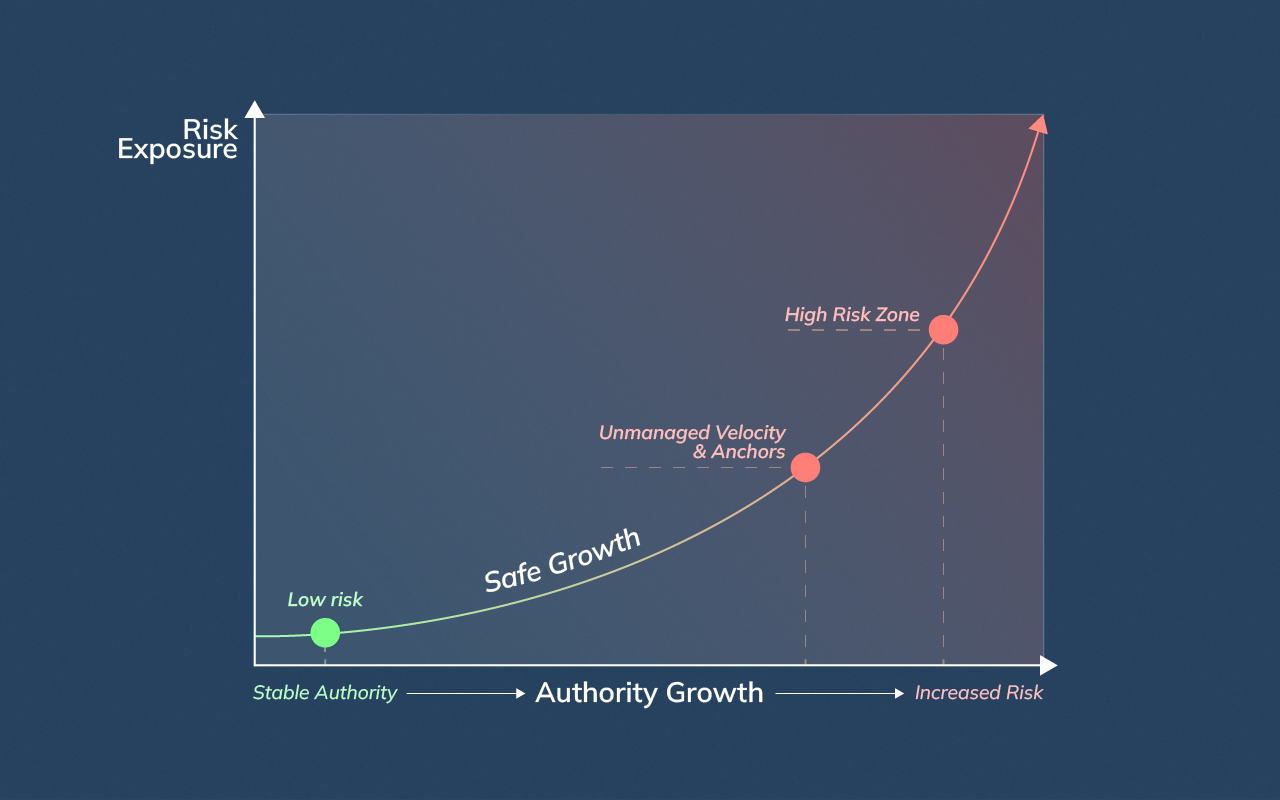
At scale, link building is less about acquisition volume and more about controlling risk and authority balance.
Professional offshore SEO services manage:
- Anchor text distribution to avoid over-optimization signals
- Domain quality thresholds to protect trust and relevance
- Velocity pacing to align with natural growth patterns
- Toxic link detection and cleanup to prevent algorithmic penalties
This shifts link building from a growth tactic into a long-term authority protection system that supports stable rankings while still driving gains.
As link profiles grow, the cost of poor decisions increases. Risk-managed execution only holds when responsibility, review, and feedback loops are clearly defined.
These services only compound when they are supported by the right operating model. The difference between SEO that scales and SEO that stalls is not the work itself, but how ownership, execution, and decision-making are structured.
Hire Overseas Insight: How Founders Can Build Scalable Offshore SEO Systems
Founders who succeed with offshore SEO do not treat it as a hiring decision. They treat it as a systems design problem. The goal is not to move tasks offshore. The goal is to create a structure where execution scales while decision quality stays high.
From what we see at Hire Overseas, offshore SEO scales when founders follow a small set of repeatable principles. These are not tactics. They are operating rules.
Tip 1: Design Ownership Before You Increase Execution
Offshore SEO breaks when responsibility is unclear. Execution speeds up, but prioritization weakens. Teams produce more output, yet results plateau.
Founders who scale successfully define ownership early. They decide who makes strategic calls, who executes, and how insight flows back into decision-making. This clarity prevents offshore teams from guessing and keeps execution aligned with outcomes.
Tip 2: Keep Strategic Control In-House
Founders should retain control over decisions that require business judgment, not just SEO knowledge.
High-performing teams consistently keep these functions internal:
- Search strategy and prioritization tied to revenue goals
- Brand voice and positioning across content and pages
- Conversion metrics and attribution models
- Final approval on site architecture and major structural changes
This ensures SEO activity supports the business, not just search visibility.
Tip 3: Move Repeatable, Execution-Heavy Work Offshore
Offshore SEO works best when the work is systemized and repeatable. These are areas where offshore teams consistently outperform small internal teams.
A scalable offshore SEO system assigns offshore ownership of:
- Technical SEO execution and ongoing monitoring
- On-page optimization across large page sets
- Content optimization and refresh cycles driven by performance data
- Link acquisition workflows with quality controls
- Data collection and reporting that feeds back into strategy
This division allows founders to scale output without adding management complexity.
Tip 4: Choose Structure Over Convenience When Selecting Partners
When SEO growth stalls, the issue is often structural, not tactical. The problem is rarely that the work is wrong. It is that the operating model cannot support consistent execution at scale.
Each engagement model comes with tradeoffs:
- Freelancers offer flexibility but often struggle with continuity, documentation, and sustained coverage as scope grows.
- Agencies provide breadth but introduce cost, handoffs, and layers that slow execution and dilute accountability.
- Offshore SEO teams, when structured correctly, balance speed, depth, and cost by operating as dedicated execution units rather than interchangeable vendors.
Founders who scale search successfully choose partners based on operating discipline, clarity of ownership, and repeatability of execution, not short-term convenience or familiarity.
Tip 5: Measure Throughput and Feedback Speed, Not Just Rankings
Many offshore SEO efforts fail because success is measured too narrowly. Rankings are visible, but they are lagging indicators. By the time rankings change, the underlying issues or improvements have already been in motion for weeks.
Founders who scale SEO look beyond rankings and monitor leading indicators instead, including:
- Execution throughput over time, to ensure momentum is sustained
- Speed of feedback and iteration, so teams can adjust before performance drops
- Consistency of output quality, especially as volume increases
- Contribution to traffic quality and conversions, not just raw traffic
These signals reveal whether SEO is compounding into a system or quietly stalling behind surface-level metrics.
Tip 6: Build for Long-Term Partnership, Not Short-Term Output
The strongest offshore SEO systems improve with time. SEO rewards continuity, context, and accumulated understanding, not one-off bursts of activity.
As partnerships mature:
- Teams develop deep site and market context, reducing ramp time and repeated mistakes
- Processes tighten and execution accelerates, as workflows become second nature
- Errors decrease while insights increase, improving decision quality over time
- Strategy benefits from frontline data, as execution teams surface patterns early
This compounding effect is why long-term offshore SEO partnerships consistently outperform project-based or short-term arrangements, especially as sites grow in size and complexity.
Founder Takeaway
Offshore SEO becomes scalable when it is treated as infrastructure, not outsourcing.
Founders who design clear ownership, protect strategic control, and partner for execution build SEO systems that grow stronger with time. At that point, search growth stops being fragile and starts becoming predictable.
The Real Advantage of Offshore SEO Is Structural, Not Tactical
Offshore SEO succeeds or fails long before rankings move. It succeeds when founders treat SEO as an operating system rather than a collection of tasks. It fails when execution is outsourced without clear structure, ownership, or decision rights.
The companies that scale search predictably do not chase shortcuts. They design systems. They separate strategy from execution. They prioritize durability over speed and partnership over transactions. As a result, their SEO compounds instead of resetting every quarter.
Offshore SEO services become truly powerful when they are integrated into how a business operates, not bolted on as external labor. At that point, search stops being fragile. It becomes repeatable, measurable, and resilient through algorithm changes, market shifts, and growth cycles.
For founders, the question is no longer whether offshore SEO works. It is whether it is structured to scale.
At Hire Overseas, we help founders build offshore SEO structures that scale without adding operational drag. From defining ownership models to assembling dedicated execution teams, we focus on systems built for long-term growth.
Book a demo today to explore a structure designed for sustained search growth.
